Eşha Berleri Home

Category

Stories & Deep Dives

17 articles

Watch It, Taste It, Get It: How Food Docs Are Giving Americans a Whole New Kind of Fluency

Watch It, Taste It, Get It: How Food Docs Are Giving Americans a Whole New Kind of Fluency

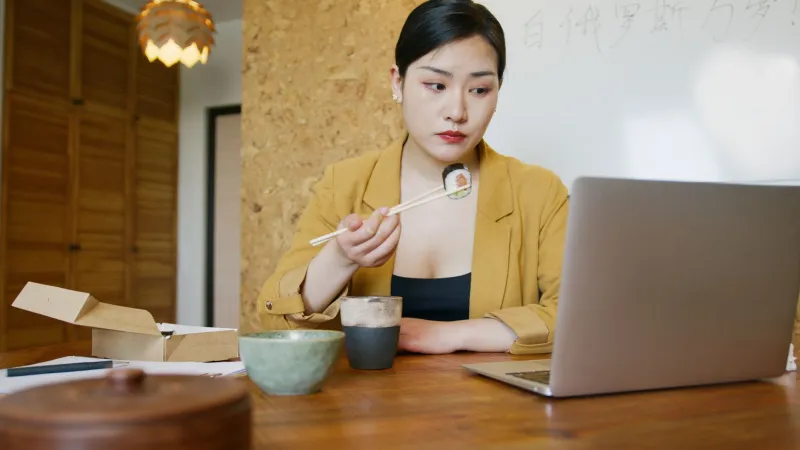
You don't need to speak Mandarin to feel something when a grandmother in Sichuan carefully folds dumplings for the last time before a holiday. Food documentaries are quietly doing something that language classes and travel guides never quite pulled off — making American audiences genuinely feel at home inside cultures they've never touched. And the crazy part? It's working.

The Part You Don't Understand Is the Part That Stays With You

The Part You Don't Understand Is the Part That Stays With You

There's something happening when an American viewer cries at a Korean drama scene they only half-understood, or feels gutted by a Japanese anime moment that nobody around them can fully explain. Turns out, the gap in comprehension isn't killing the emotional experience — it might actually be creating it. We went looking for answers in the science of ambiguity, and what we found was kind of beautiful.

You Know Exactly What They Mean and You Don't Speak a Word of It

You Know Exactly What They Mean and You Don't Speak a Word of It

Something strange is happening to American viewers who binge foreign content. They're not learning vocabulary or grammar — they're learning to feel. Neuroscience and a growing wave of personal testimony suggest that emotional fluency might be its own kind of language.

Hollywood Called. The Rest of the World Didn't Pick Up.

Hollywood Called. The Rest of the World Didn't Pick Up.

Something shifted in the streaming wars, and it wasn't what anyone in Burbank expected. Shows made in Seoul, Madrid, and Mumbai are landing harder with American audiences than the stuff built specifically for them — and the platforms are starting to take serious notes.

Wired on Subtitles: What Happens to Your Brain When You Grow Up on Foreign Shows

Wired on Subtitles: What Happens to Your Brain When You Grow Up on Foreign Shows

A whole generation of young Americans is quietly becoming multilingual — not in classrooms, but on their couches. Daily exposure to Korean dramas, Turkish series, and Japanese anime isn't just broadening taste; researchers and linguists say it's actually reshaping how Gen Z thinks, feels, and talks to each other.

Scored Without Words: Why Americans Can't Stop Listening to Foreign Film Soundtracks

American streaming habits have quietly shifted — and a growing number of listeners are turning not to pop charts or podcasts, but to the instrumental scores of Korean dramas, Italian arthouse films, and French cinema for their daily soundtrack. It turns out that music stripped of language might actually hit harder. We dig into why.

No English, No Problem: The Songs That Broke America Without Saying a Word It Understood

"Despacito." "Gangnam Style." "Jerusalema." These songs didn't just survive the language barrier — they thrived because of it. We're digging into the non-English tracks that took over American radio, TikTok feeds, and living room dance floors, and asking the question nobody wants to admit: maybe we never needed the words in the first place.